Browse Products
Tile & Stone
Beautiful tile starts with a colour ...
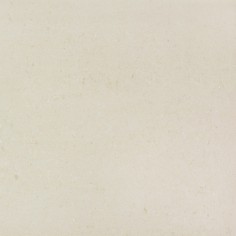
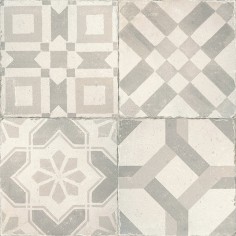
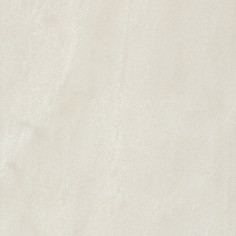
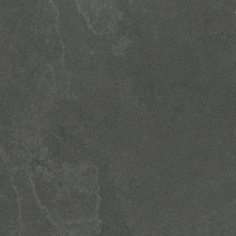

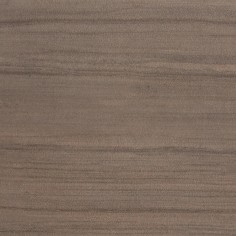
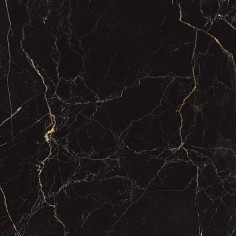

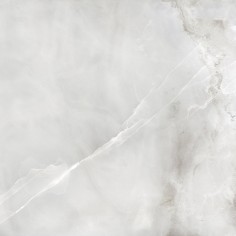
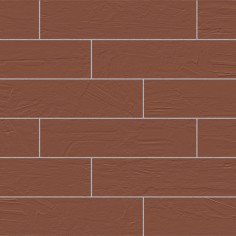
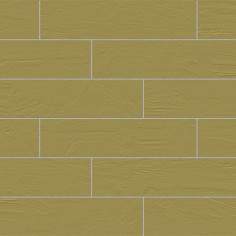
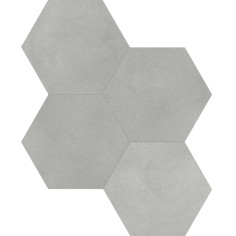
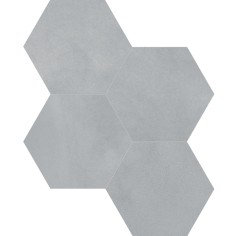
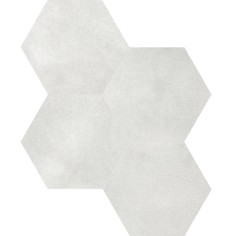
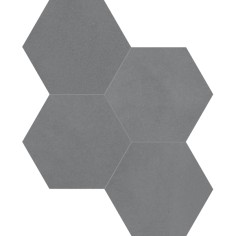
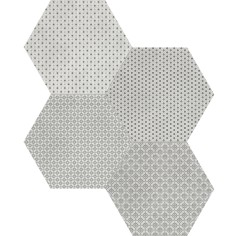
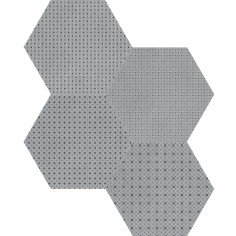
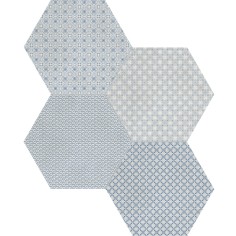
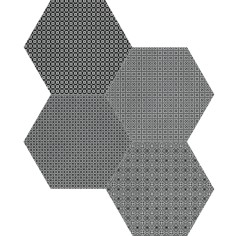
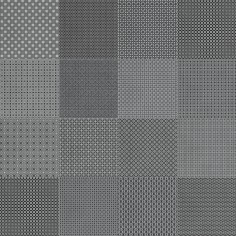
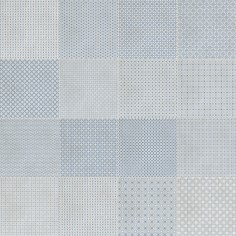
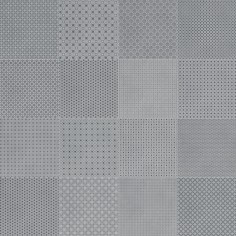
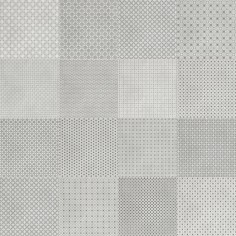
12 Variations
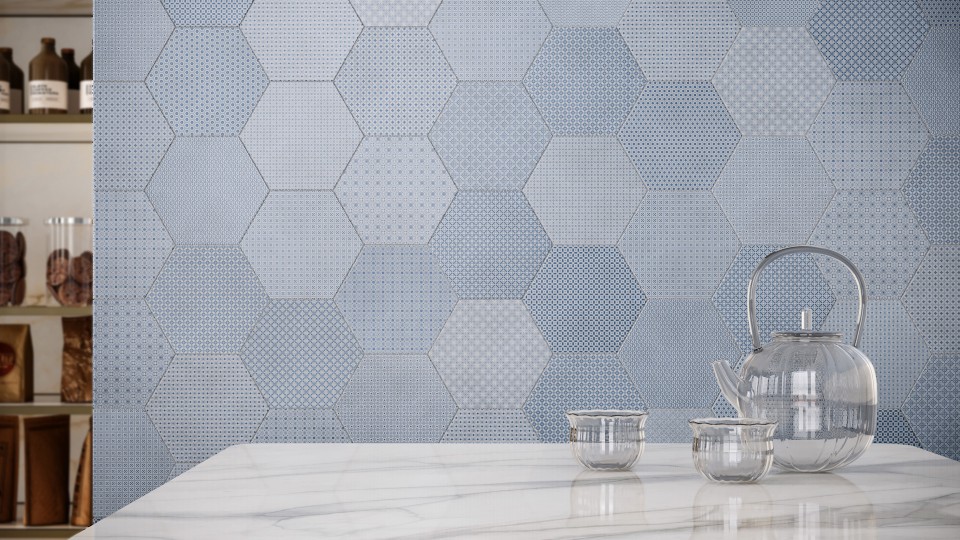
Modern geometric compositions with an enduring style.
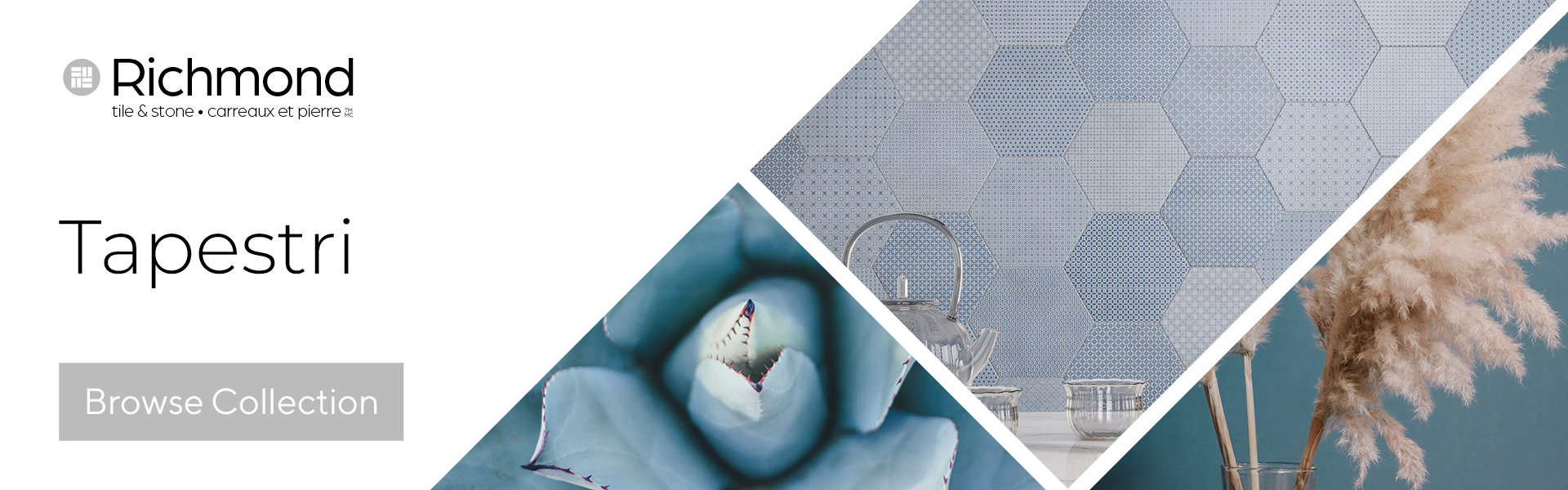
Through delicate graphic designs and inviting colour palettes, the Tapestri collection offers a new and modern interpretation of encaustic tiles..
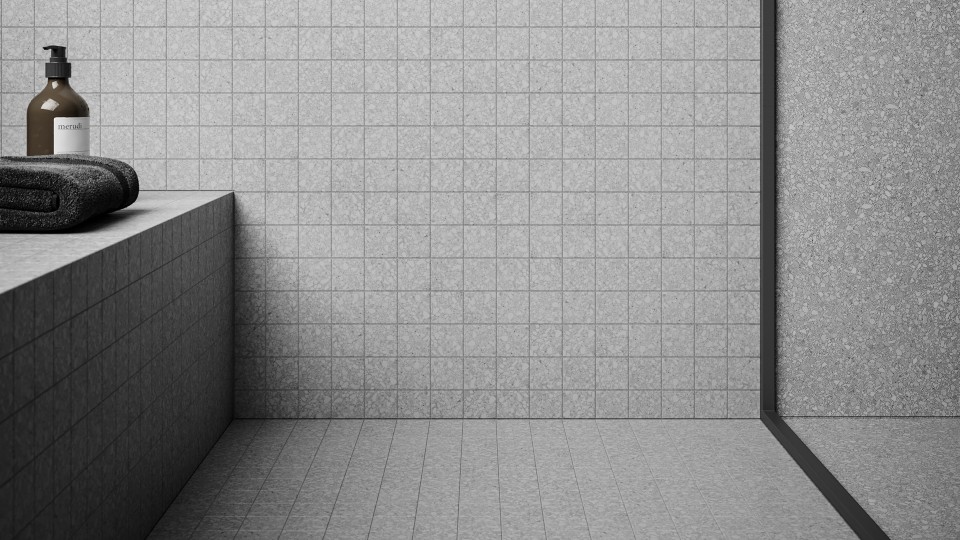
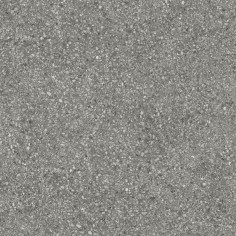
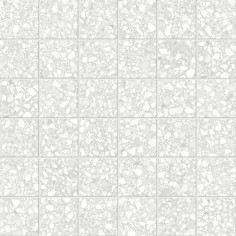

16 Variations
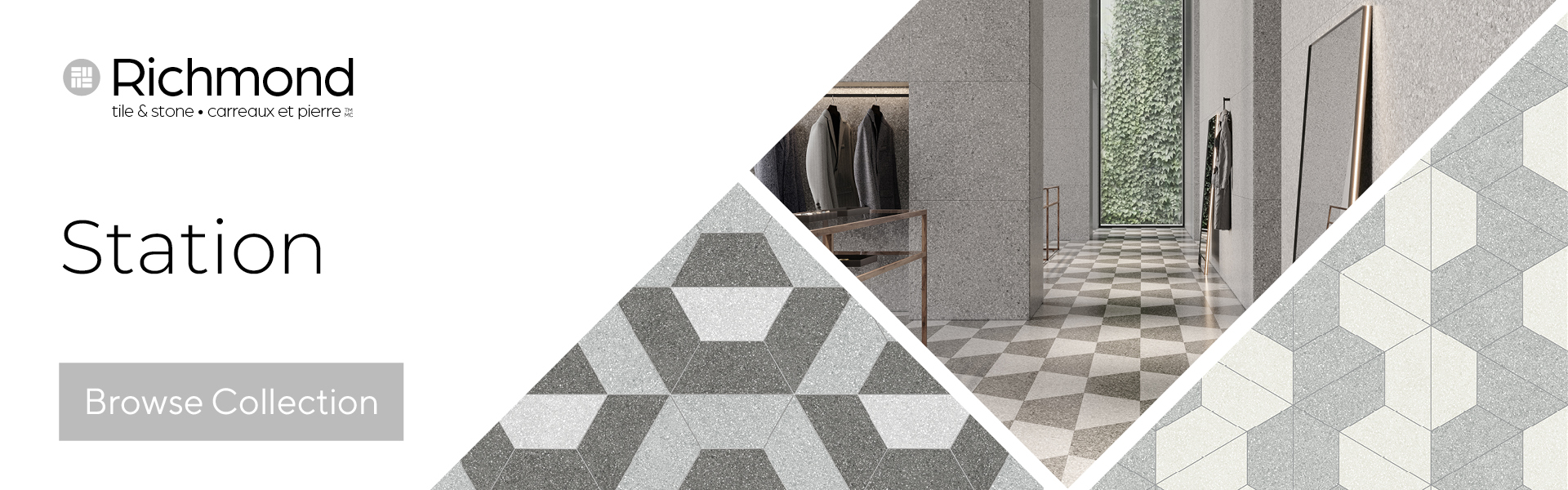
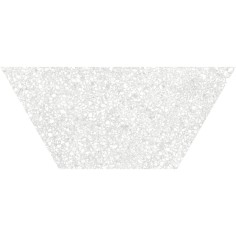
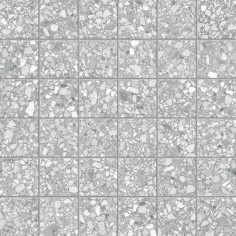
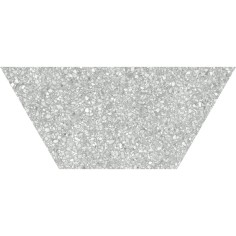
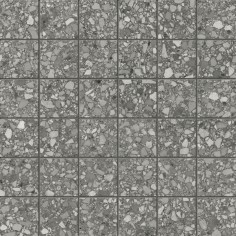
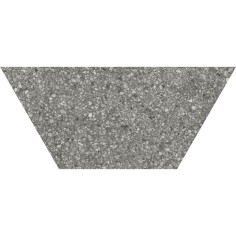
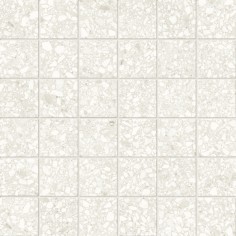
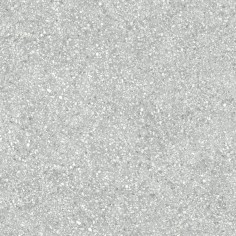
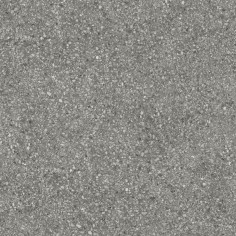
Inspired by the look of the natural grey Terrazzo compositions. A classic midcentury terrazzo reinvented for contemporary spaces, in a palette of four neutral colors ideal for contemporary interiors.
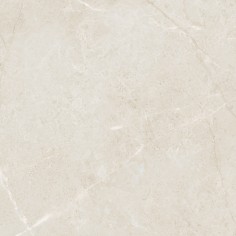
12 Variations
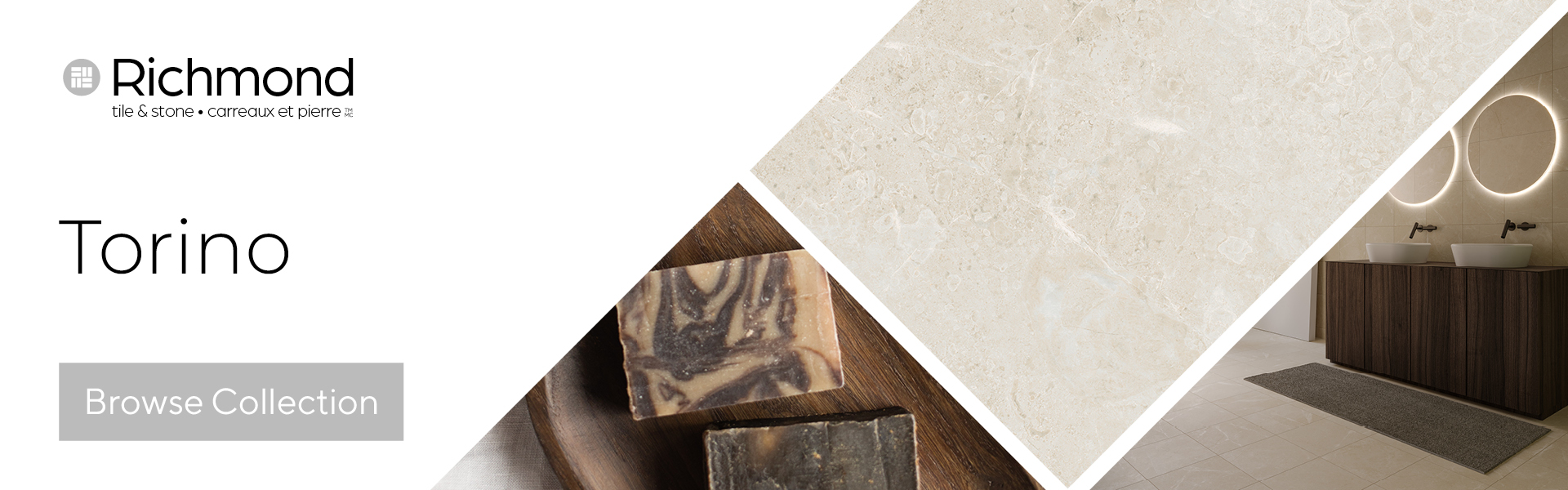
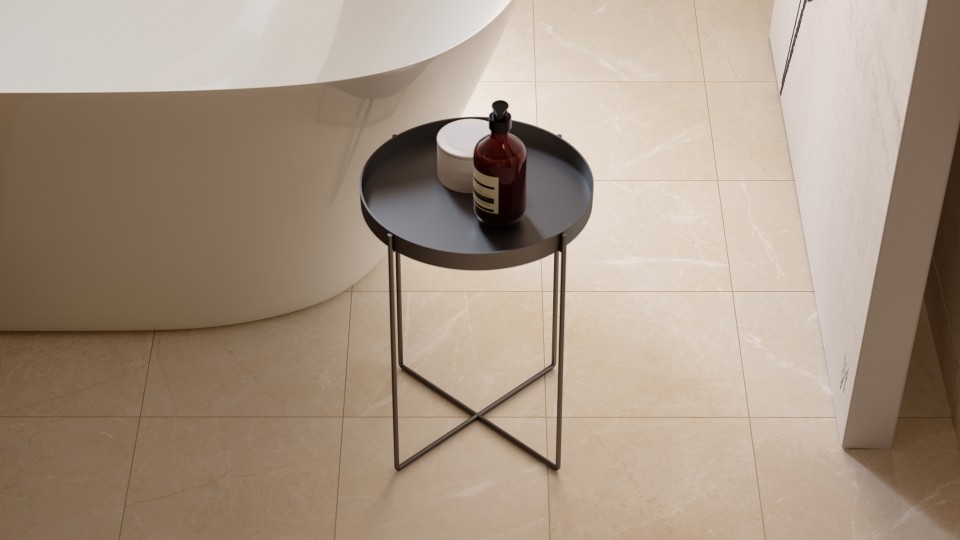
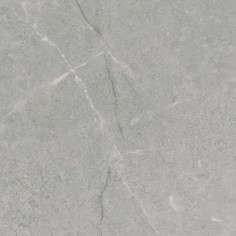
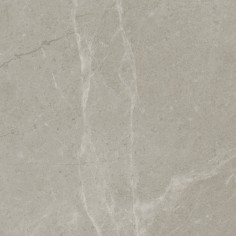
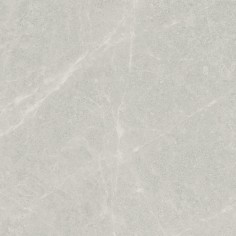
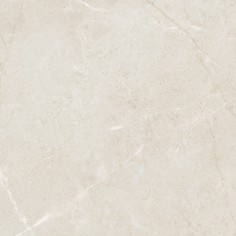
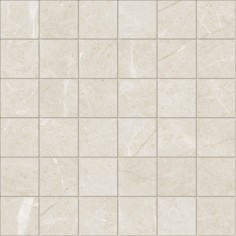
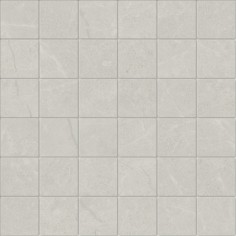
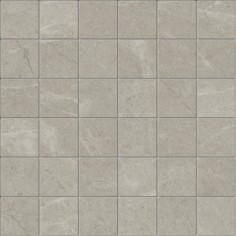
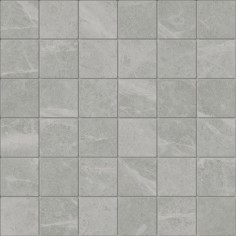
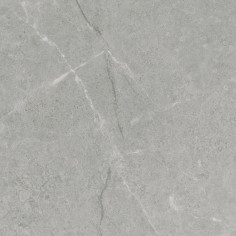
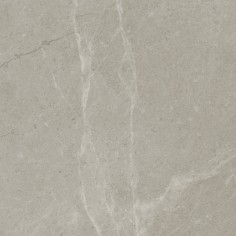
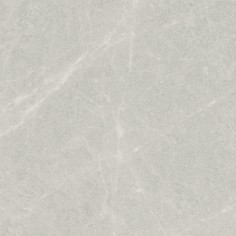
Soft earthy shades that offer a welcoming balance. The delicate veining and natural nuances of stone recreated in porcelain.

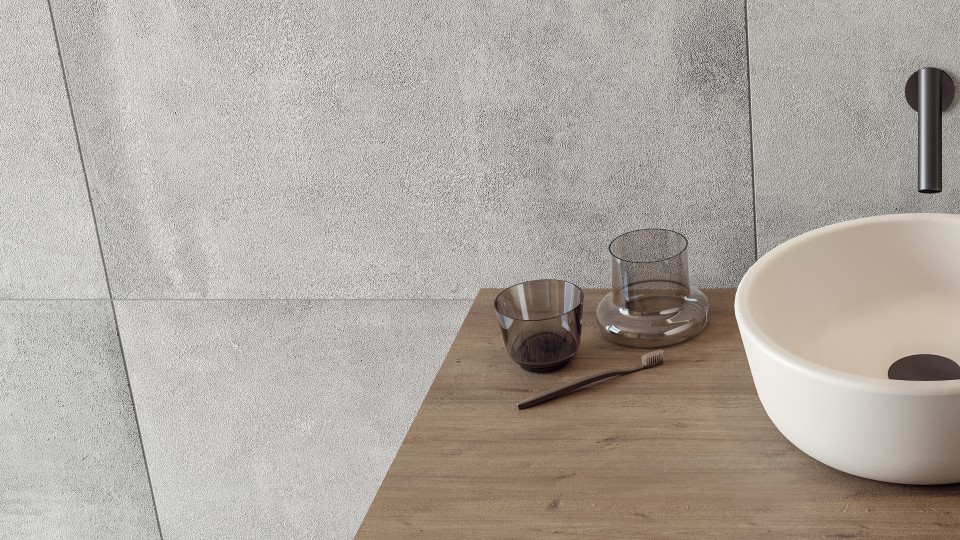
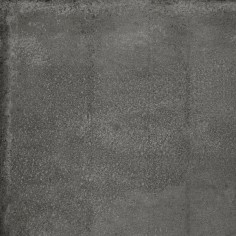
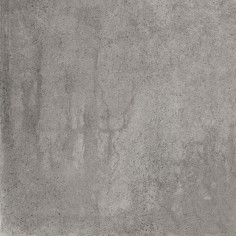
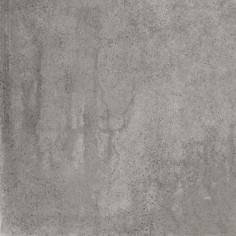
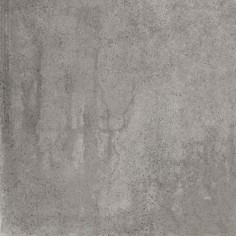
20 Variations
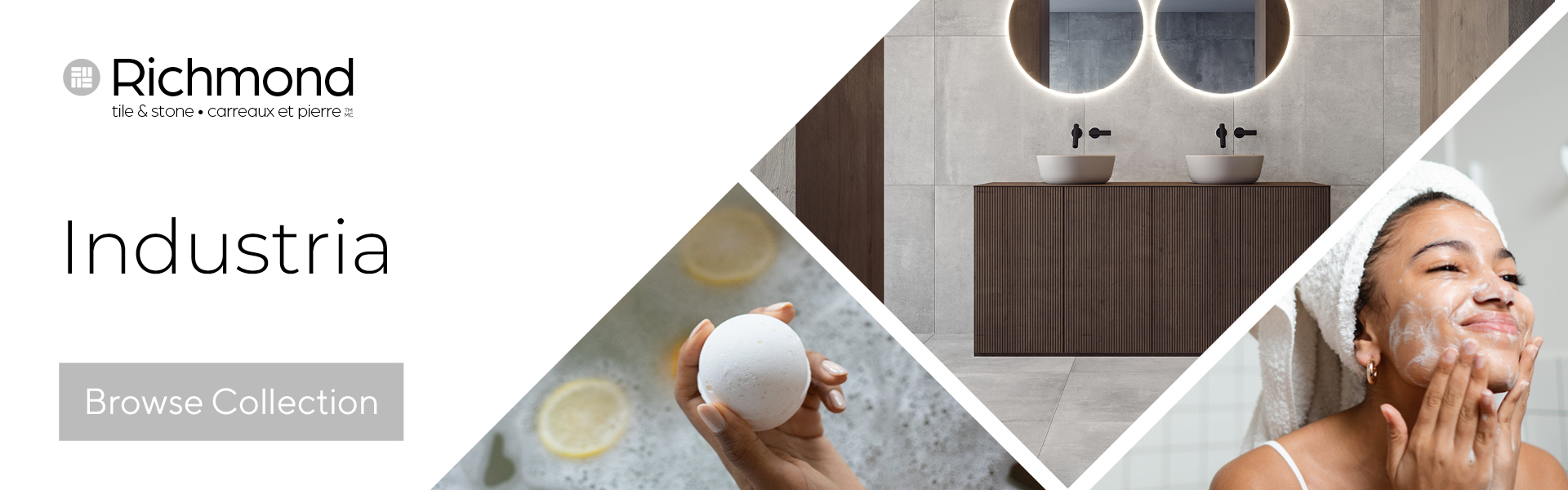
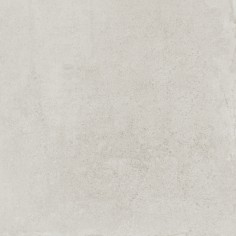
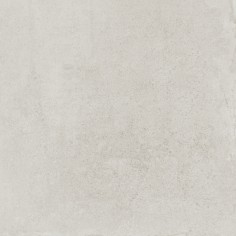
A contemporary collection with an eclectic industrial style.
A concrete-inspired look with accents that embody an industrial and worn aesthetic..
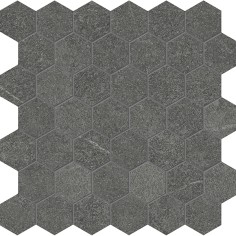
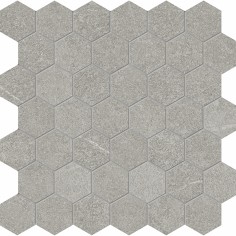
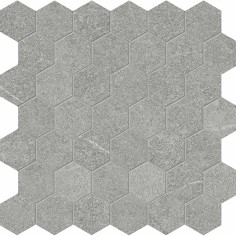
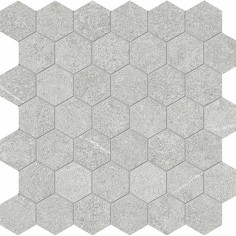
24 Variations
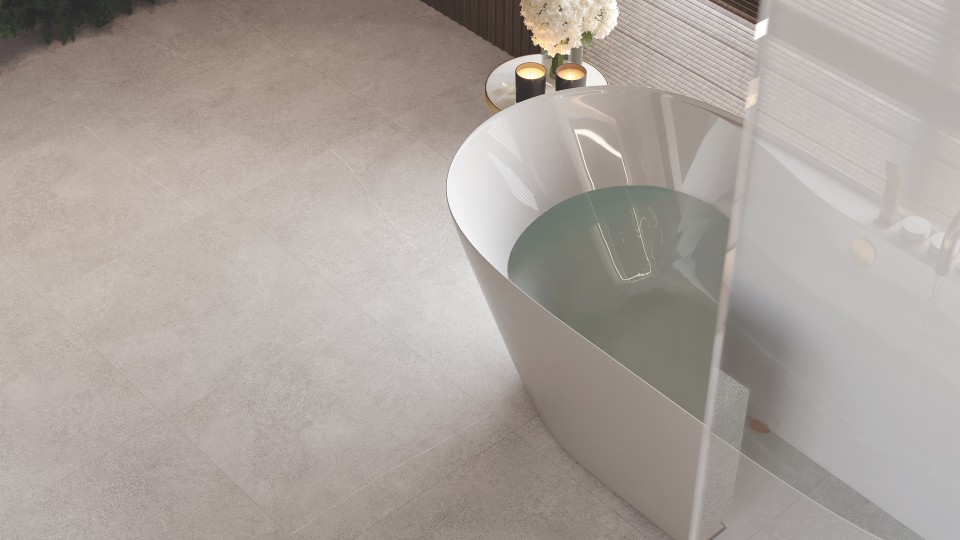
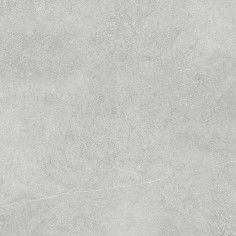
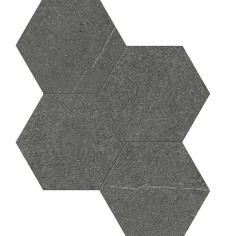
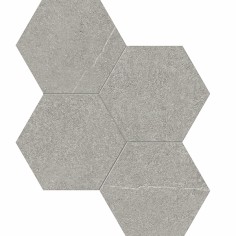
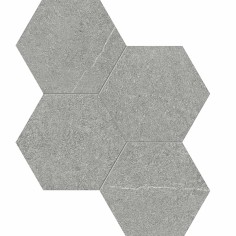
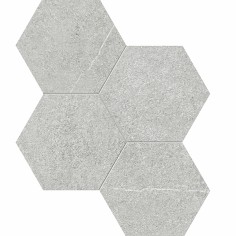
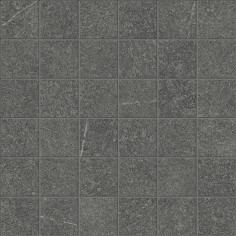
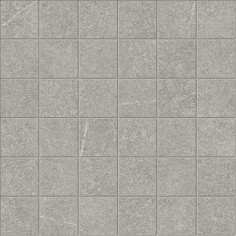
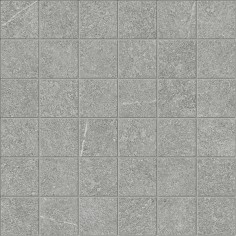
The fusion of bush hammered Piasentina limestone with crisp quartz veining, created in porcelain. A harmonious union that delivers a unique and versatile aesthetic. The design emphasizes naturally occurring veining and variability of the sedimentary pattern, which in turn delivers a unique tile character.
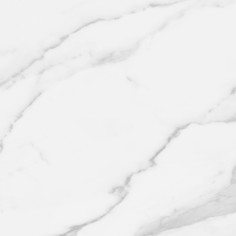
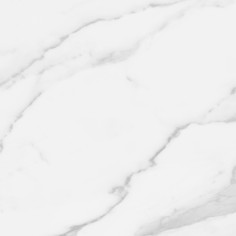
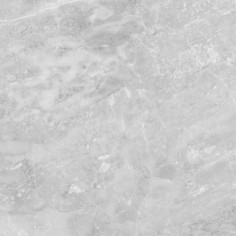
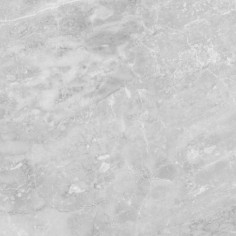
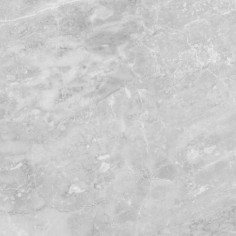
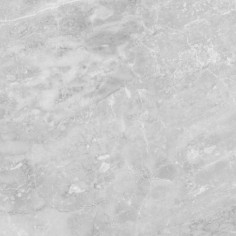
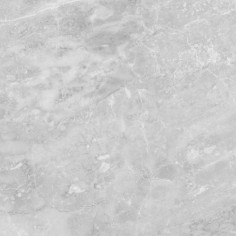
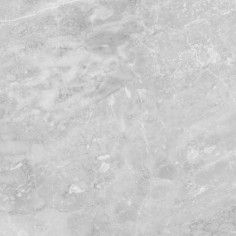




32 Variations
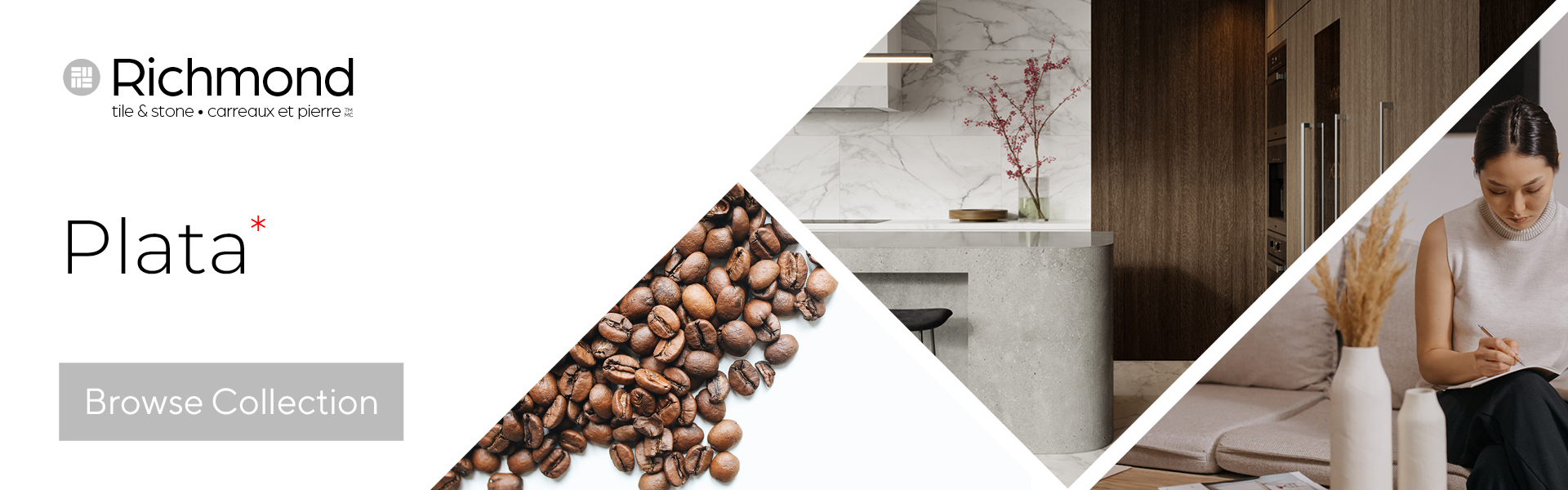
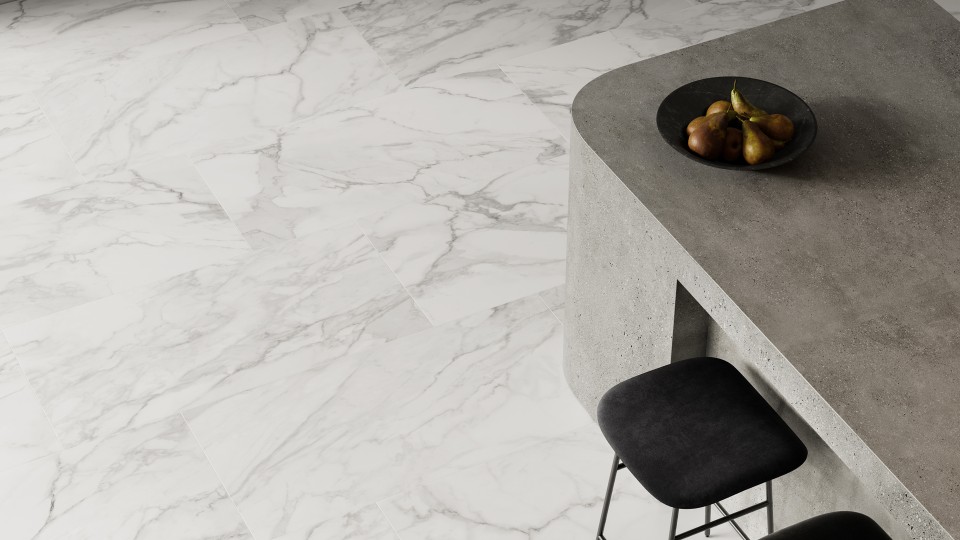
The simple beauty of marble and its silvery grey veining is the essence of this fundamental Plata collection. The tonal range and imagery
found across colours are complementary and allows for mixing and matching in this series. This is a versatile collection because of its
ability to easily pair with a wide variety of styles, looks and finishes.





4 Variations
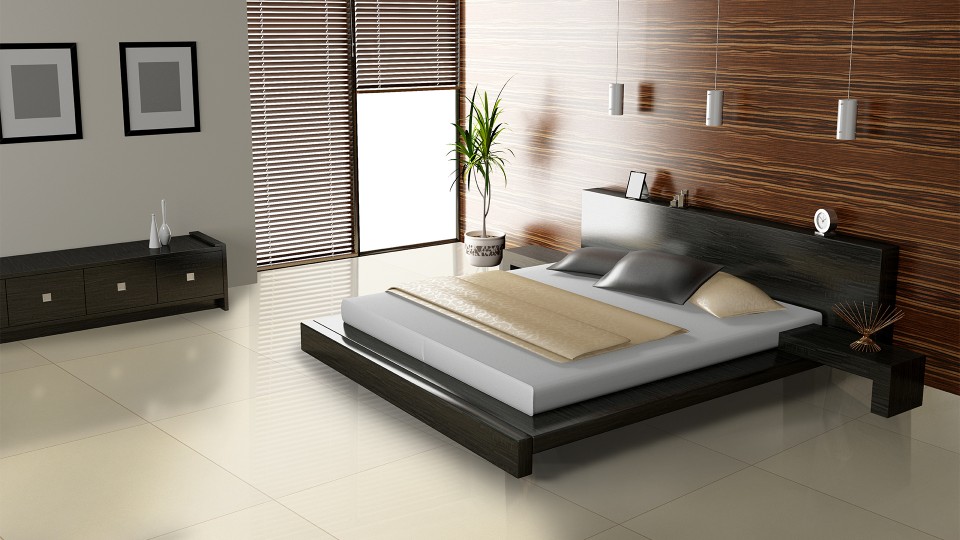
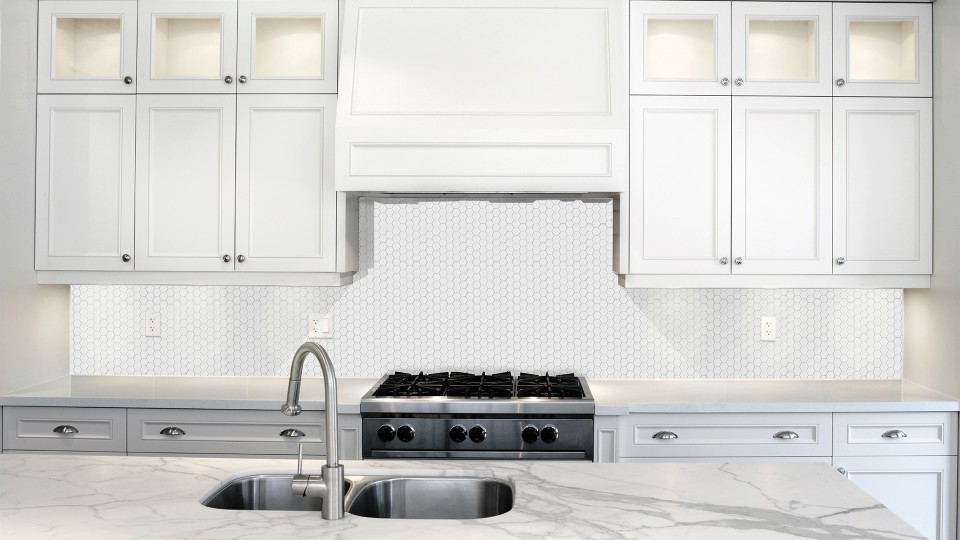
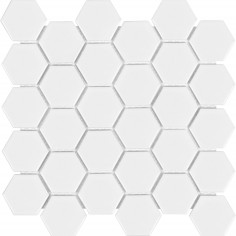
Monocolori is a simple and classic tile in whites and greys with co-ordinating mosaics..
11 Variations
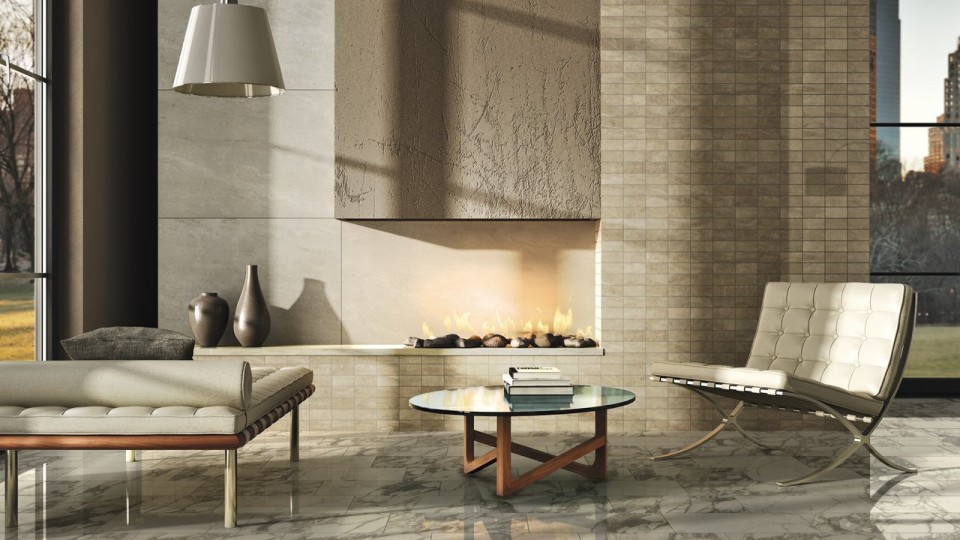
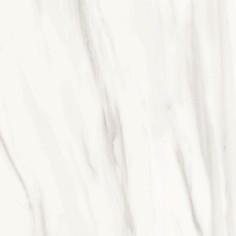
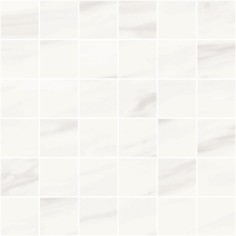
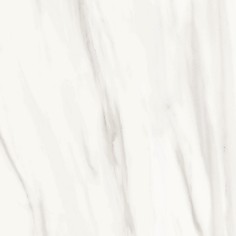
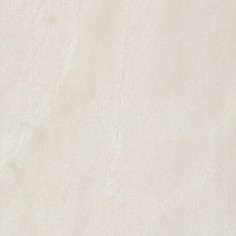
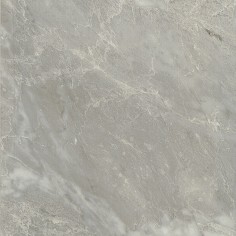
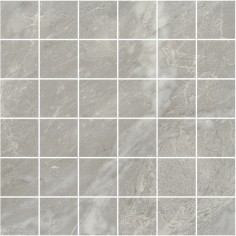
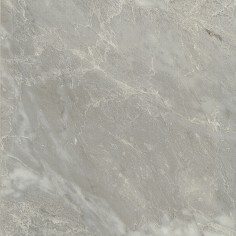
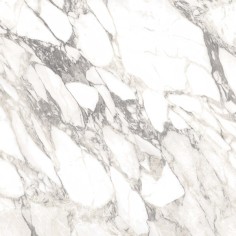
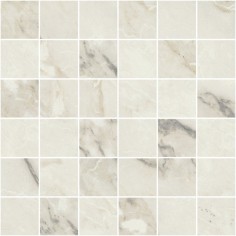
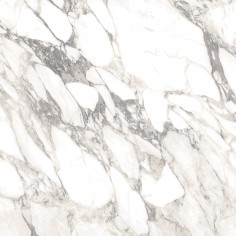
Carrara Select combines the beauty of mined Carrara marble from Italy with American made, high tech porcelain. Four colours available in two textures and two sizes with exquisite mosaics offered.
5 Variations
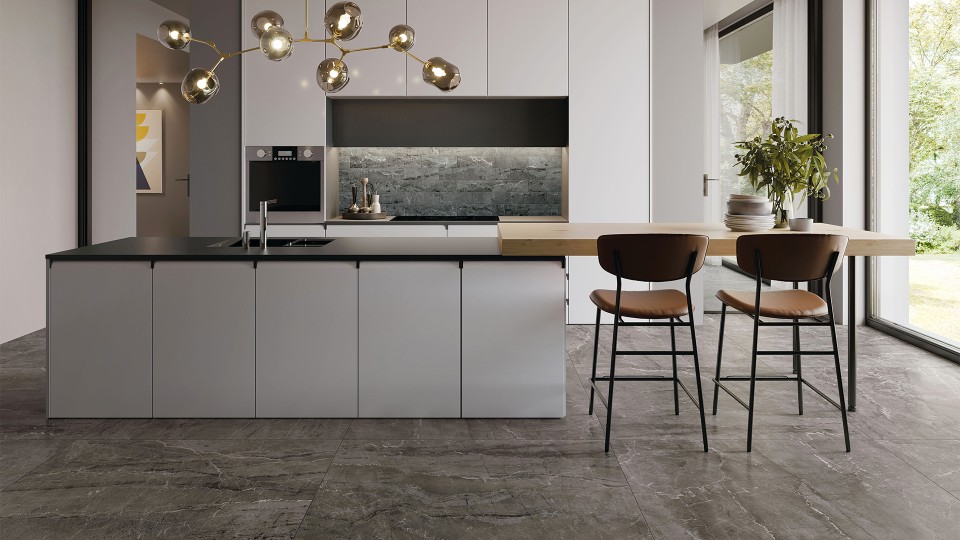
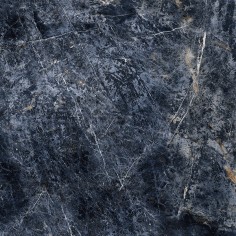
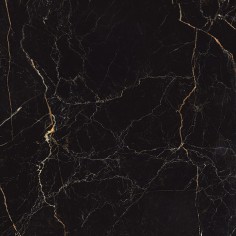
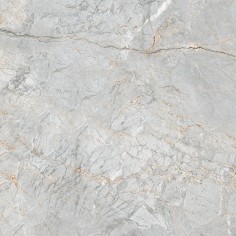
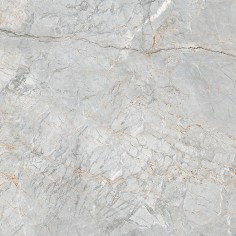
A classic style with a contemporary twist thanks to glazed porcelain tiles with a marble effect characterised by golden veins. For trendy interiors tinged with luxury and elegance.

3 Variations
A timeless look that remains classic. Simple yet elegant. The
colours of the Wall Art/Floor Art collection are designed to
stand alone, or be mixed and matched to create your own unique
designs